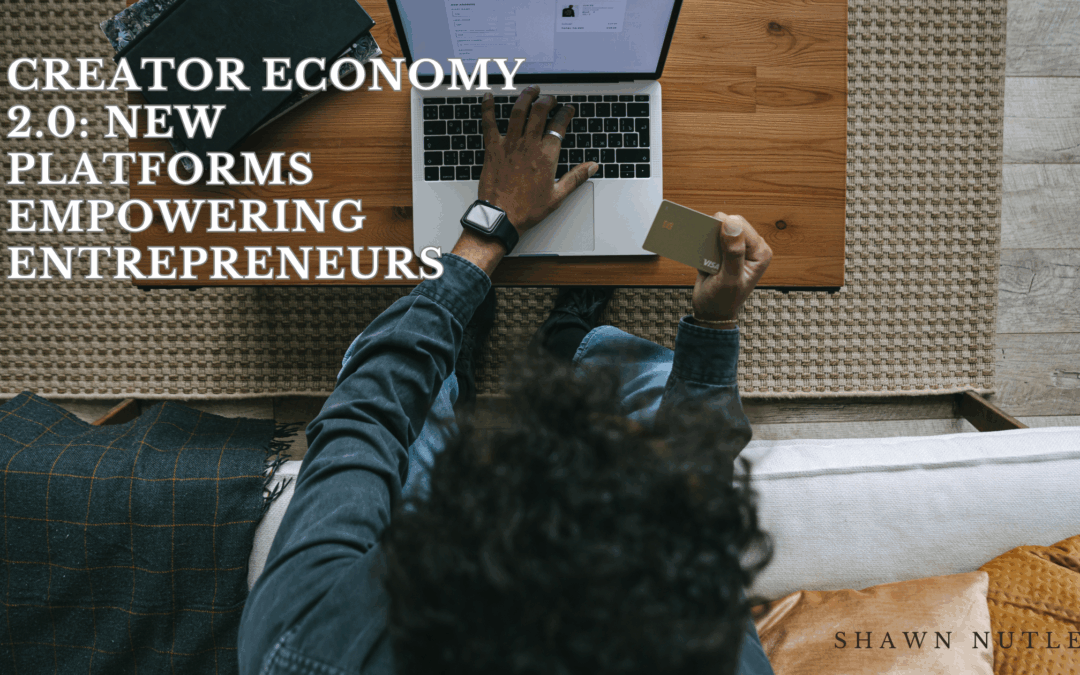
The landscape of entrepreneurship is undergoing a remarkable shift, fueled by the evolution of the creator economy. What was once a niche dominated by social media influencers and YouTubers has now matured into a diverse and thriving space where individuals can build entire businesses around their personal brands, skills, and passions. This new phase, often referred to as Creator Economy 2.0, is empowering a new generation of entrepreneurs through innovative platforms, ownership models, and monetization opportunities.
At the heart of this evolution is a growing desire among creators to control their content, their data, and their revenue streams. Traditional platforms like YouTube and Instagram gave rise to the original wave of content creators, but they also kept tight control over algorithms and monetization. Today’s creators are turning to platforms that offer more transparency, flexibility, and ownership. Platforms like Substack allow writers to build paid newsletters and own their subscriber lists, while Patreon lets artists and educators earn directly from fans without intermediaries taking a large cut. This shift represents more than a change in tools—it’s a philosophical change in how creators view their work as a business.
Monetization strategies have also diversified in Creator Economy 2.0. Beyond ad revenue and sponsorships, creators now earn income through subscriptions, digital products, merchandise, online courses, live events, and even NFTs. This variety of income streams helps creators become more financially stable and less reliant on any single platform or revenue model. It also enables them to build communities around shared values and interests, rather than chasing viral content or follower counts.
New tools are making it easier than ever to launch and manage a creator-led business. No-code platforms, AI-powered editing tools, and integrated payment systems reduce the technical barriers to entry. A creator can now launch a membership site, sell digital downloads, or offer one-on-one services without hiring a development team. AI assistants can help with everything from content planning and grammar correction to image generation and marketing optimization, freeing up creators to focus on their strengths.
The rise of community-centric platforms is another defining feature of this next wave. Mighty Networks, Circle, and Discord allow creators to build private communities where they can connect directly with their most engaged fans. These spaces provide opportunities for deeper interaction, recurring revenue, and long-term brand building. The creator-fan relationship is becoming more personal and interactive, leading to more meaningful engagement and higher retention.
However, challenges remain. As the market becomes saturated, creators must work harder to stand out and build a loyal audience. The pressure to constantly produce content can lead to burnout, especially when creators wear multiple hats as marketers, strategists, and customer service reps. Algorithm changes on major platforms can still affect visibility and income, underscoring the importance of owning one’s audience through email lists or membership platforms.
Creators must also be mindful of how they scale. While it’s tempting to diversify revenue streams quickly, doing so without a strategy can lead to fragmentation and fatigue. The most successful creator-entrepreneurs often grow slowly and intentionally, focusing on delivering consistent value before expanding into new formats or platforms.
Creator Economy 2.0 is not just about fame or followers—it’s about entrepreneurship, independence, and sustainability. It represents a major cultural shift where individuals no longer need to rely on traditional media or gatekeepers to succeed. With the right tools and mindset, creators can build scalable, meaningful businesses rooted in authenticity and creativity.
This new era is just beginning, and the tools available will only continue to improve. As creators embrace ownership and prioritize their relationship with their audience, they are paving the way for a more inclusive, diverse, and innovative business landscape. In this creator-led future, entrepreneurship is no longer confined to startups and tech giants—it’s accessible to anyone with a message, a skill, and the courage to share it.